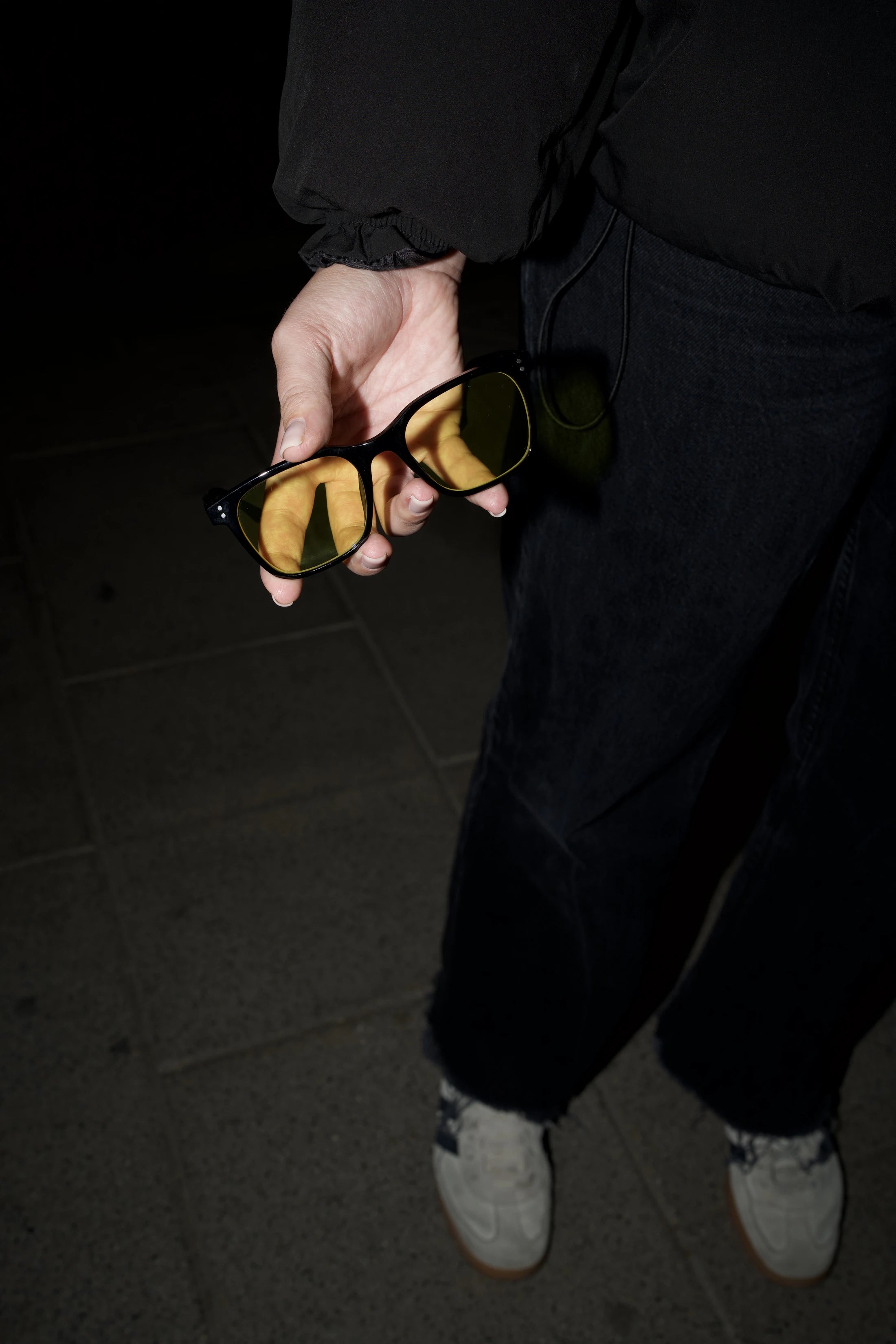
01 · DAY
DAY
FOR WHEN DAY IS DAY.
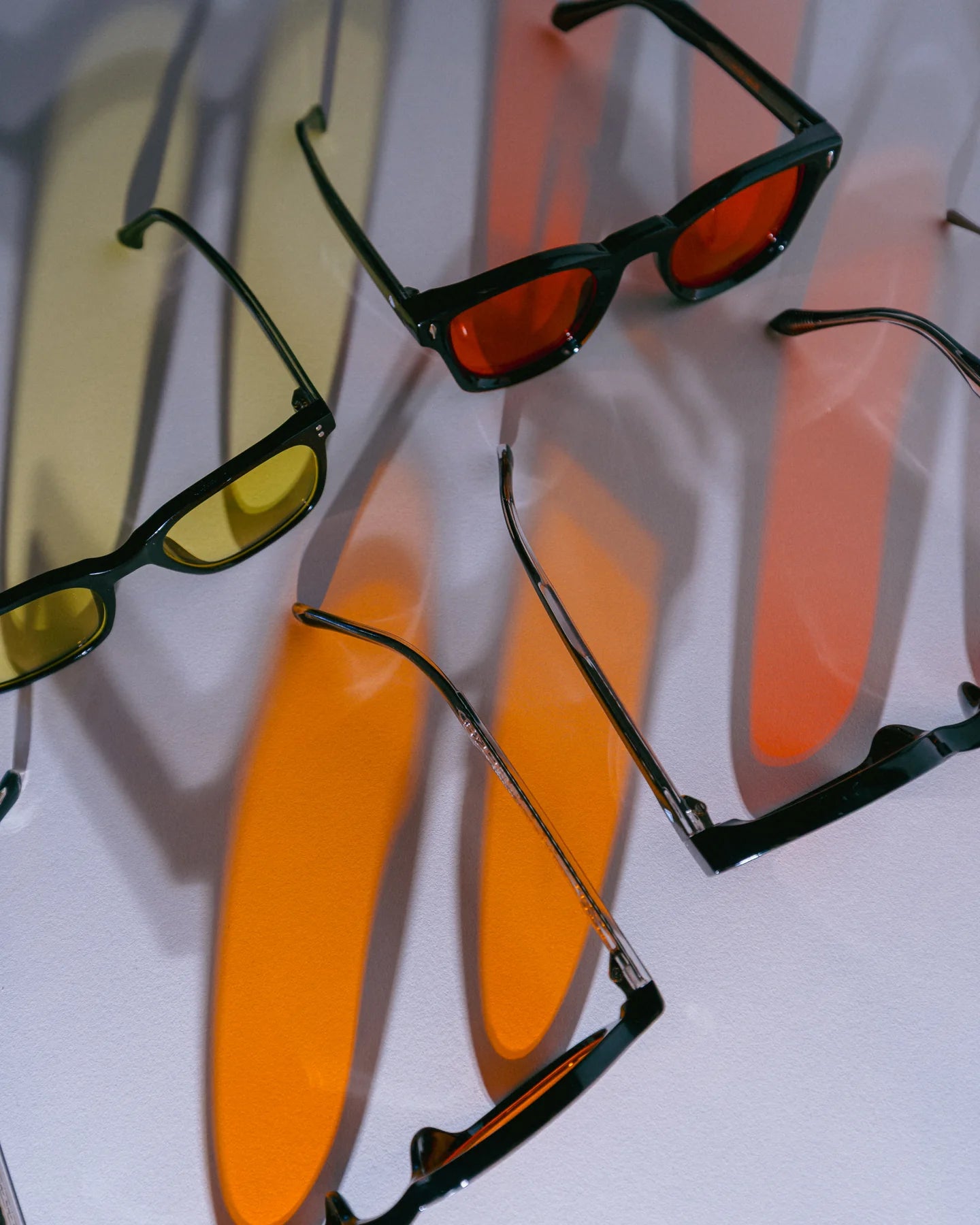
The yellow lens and the system’s highest visible-light transmission profile.
VLT · 93.39%VIEW OPTICAL DATA
Tsb 380–500 nm · 25.54%
Category 0.
Driving: suitable according to the test.


THE CIRCADIAN SYSTEM
Light is not the same throughout the day. Circadian turns that idea into a simple system: three lenses for three different moments.
CHOOSE MY CIRCADIAN ↗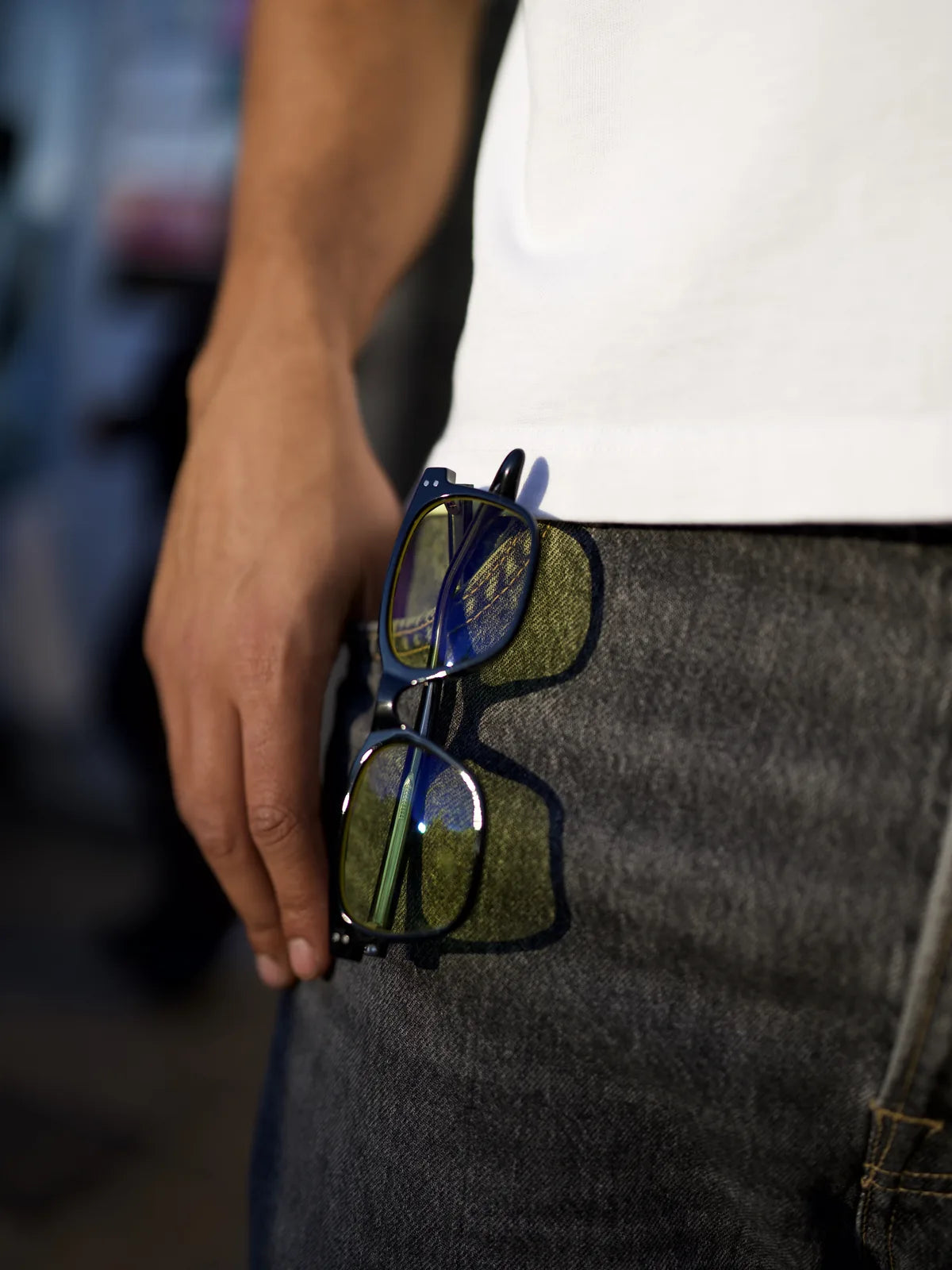
THREE LENSES. THREE MOMENTS. ONE SYSTEM.
01 · DAY
FOR WHEN DAY IS DAY.
The yellow lens and the system’s highest visible-light transmission profile.
Tsb 380–500 nm · 25.54%
Category 0.
Driving: suitable according to the test.
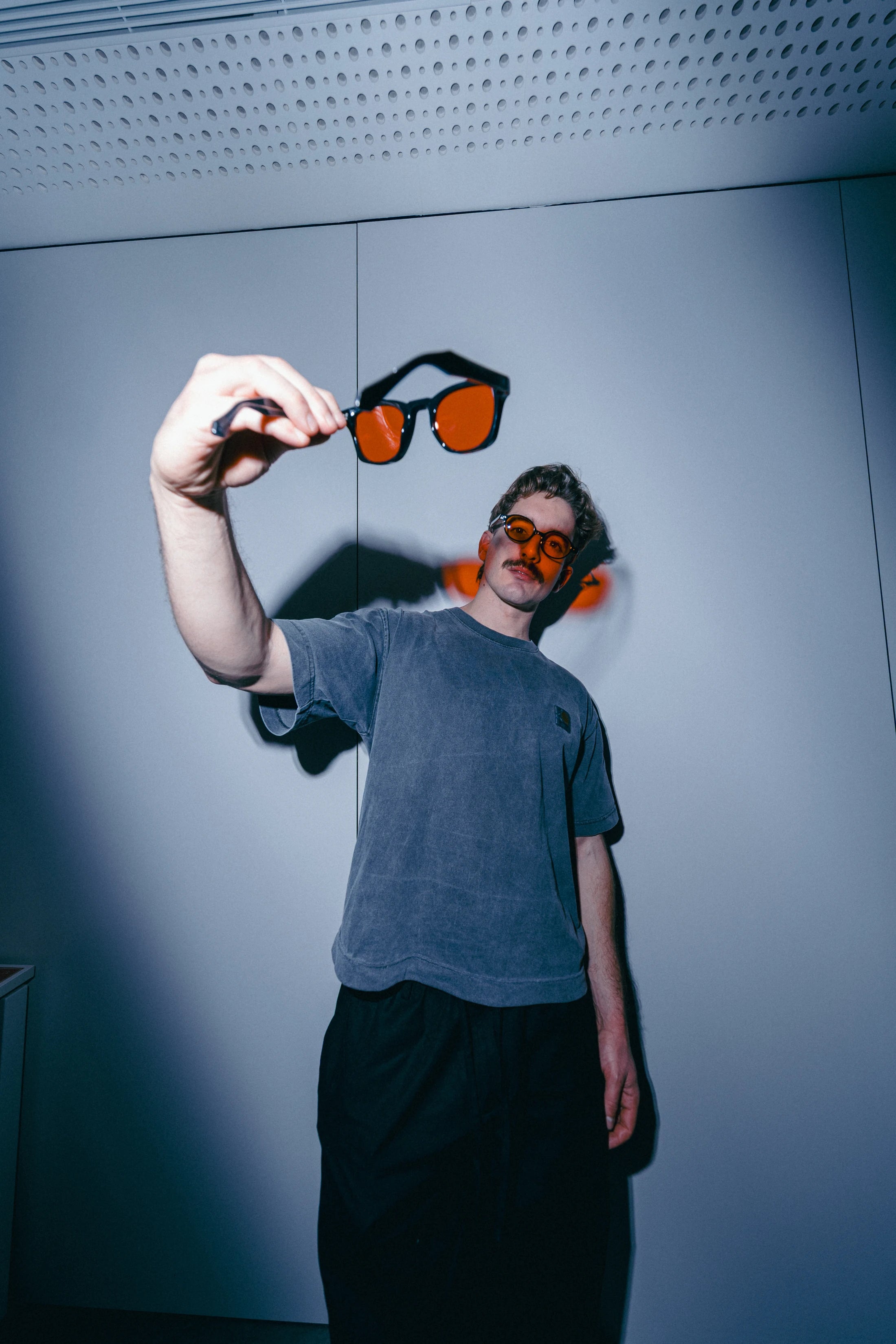
02 · EVENING
WHEN THE DAY STARTS TO CHANGE.
The amber lens and the intermediate visible-light transmission profile.
Tsb 380–500 nm · 1.70%
Category 1.
Driving: not suitable according to the test; also not suitable at dusk or at night.
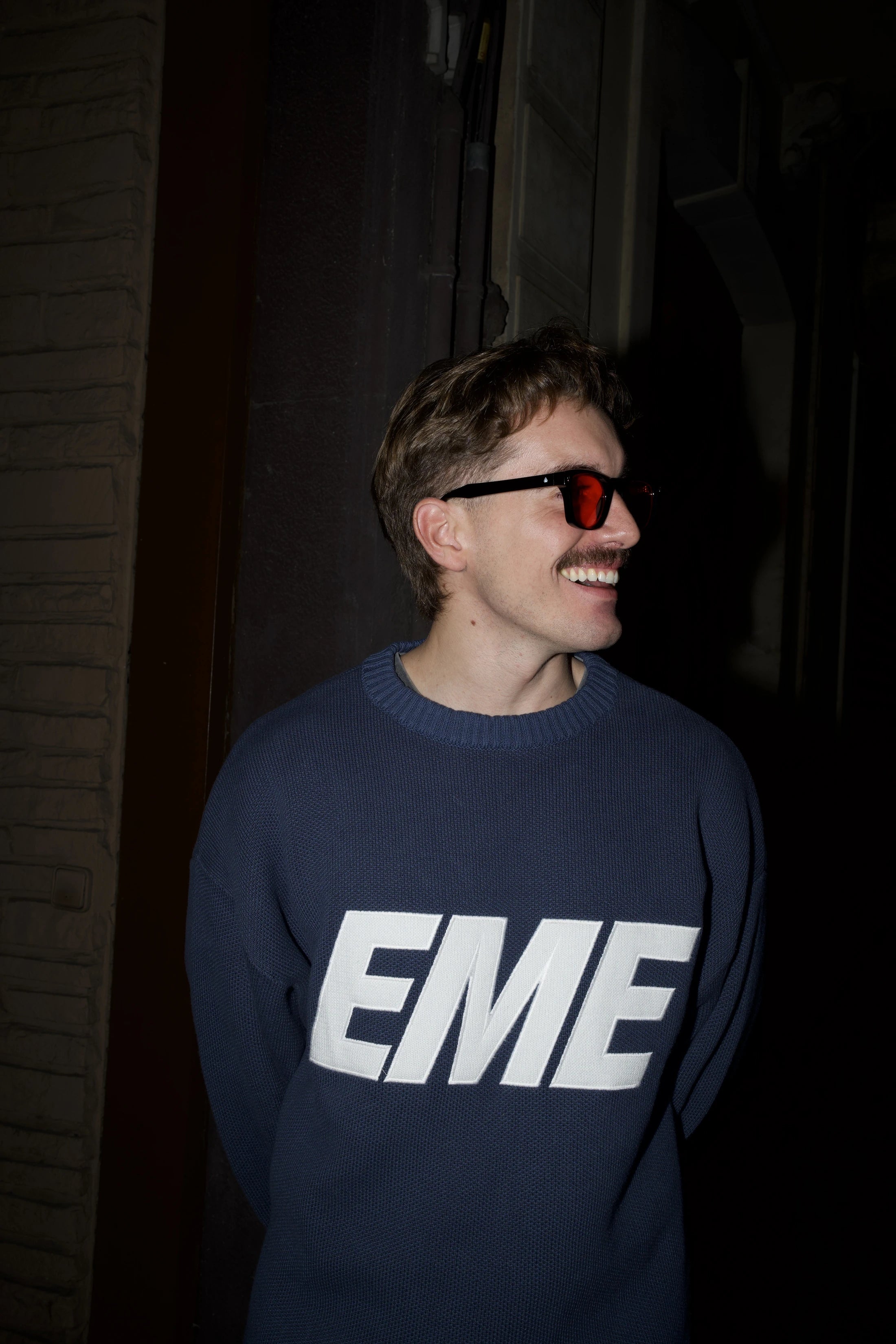
03 · NIGHT
WHEN IT IS ALREADY DARK OUTSIDE.
The red lens and the system’s lowest visible-light transmission profile.
Tsb 380–500 nm · 1.81%
Category 2.
Driving: not suitable according to the test; also not suitable at dusk or at night.
CHOOSE YOUR FRAME. RITME · VORA.
Each CIRCADIAN is a complete pair of glasses. Choose your frame and the lens for your moment.
Case and cloth included · Free shipping in Spain from €99.
CHOOSE YOUR LENS. DAY · EVENING · NIGHT.
DAY for daytime. EVENING for the transition into the evening. NIGHT for when it is already dark outside. Three distinct optical profiles for different moments of light.
SCIENCE · LIGHT · TIME
Light is a relevant environmental synchronizer of circadian rhythms. The timing, intensity and spectrum of light exposure are part of the biological context of light.
Circadian lenses modify the light reaching the eyes and can form part of a light-hygiene routine. They are not a medical device, do not replace appropriate habits and do not guarantee individual clinical outcomes.

OPTICAL DATA · TRANSPARENCY
What you see matters. What we measure does too. Three visible colours, three optical profiles with transmission data.
VLT
Tsb 380–500 nm · 25.54%VLT
Tsb 380–500 nm · 1.70%VLT
Tsb 380–500 nm · 1.81%VLT indicates the proportion of visible light transmitted. Tsb indicates the transmission measured between 380 and 500 nm. Tsb is not equivalent to a percentage of protection. The values come from the available optical test data.
DAY · CAT. 0
VLT 93.39 % · Tsb 25.54 %
Driving: suitable according to the test.
EVENING · CAT. 1
VLT 50.67 % · Tsb 1.70 %
Driving: not suitable according to the test; also not suitable at dusk or at night.
NIGHT · CAT. 2
VLT 28.75 % · Tsb 1.81 %
Driving: not suitable according to the test; also not suitable at dusk or at night.
Results according to the corresponding optical test. See the full technical information for further detail.
TWO FORMS. THREE MOMENTS. ONE SYSTEM.
FREQUENTLY ASKED QUESTIONS
DAY is the yellow lens with the highest visible-light transmission in the system. EVENING is the amber lens with an intermediate profile. NIGHT is the red lens with the lowest visible-light transmission.
RITME is the propionate frame, with a stronger visual presence. VORA is the metal frame, with finer lines.
VLT indicates the proportion of visible light transmitted. Tsb indicates the transmission measured between 380 and 500 nm. Tsb is not equivalent to a percentage of protection.
Under “Optical data and conditions of use” you will find the test result for each lens. DAY is suitable for driving according to the test. EVENING and NIGHT are not suitable for driving or for use at dusk or at night, according to the test.
The lenses modify the light reaching the eyes and can form part of a light-hygiene routine. They are not a medical device and do not guarantee individual clinical outcomes.
CIRCADIAN UPDATES